 Client Login
  Retirement assessment
  Book a call
  0117 990 2602


Modified on: September 2026
How Pensioners Can Minimise Tax on Their Retirement Income
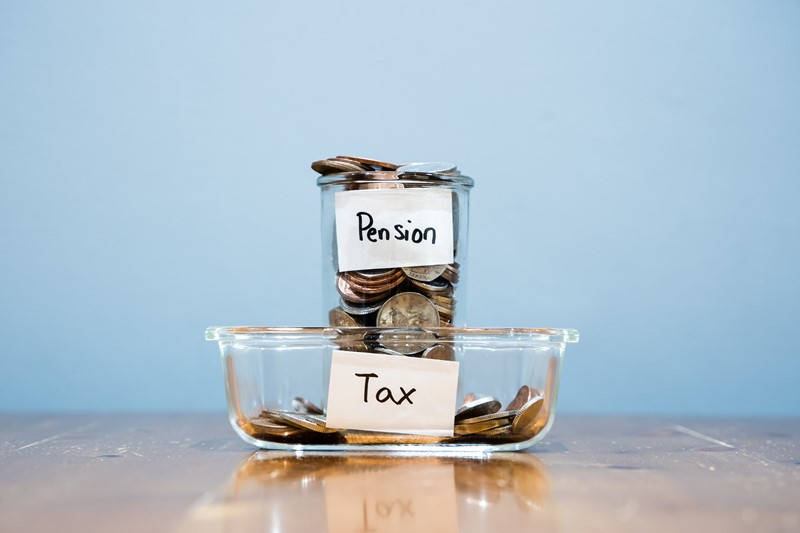
Tax on pension income can significantly impact your retirement funds. However, with the right strategies and a clear understanding of tax rules, you can reduce your tax burden and maximise your income. This guide provides actionable steps, practical examples, and detailed tips to help pensioners avoid paying tax on their pension. By implementing these strategies, you can make your retirement savings work more effectively, ensuring financial security and peace of mind.
Planning ahead is crucial, as different income sources and allowances can be optimised to minimise tax exposure. From leveraging tax-free lump sums to understanding effective tax rates, this guide is designed to empower pensioners with the knowledge needed to navigate the complexities of pension taxation. Whether you’re approaching retirement or already drawing an income, the insights shared here will help you preserve more of your wealth for both essential expenses and the retirement lifestyle you deserve.
Managing your pension income effectively can significantly improve your retirement lifestyle. By understanding the tax rules and leveraging available allowances, pensioners can reduce their tax liabilities and retain more of their income for essential and discretionary expenses. With careful planning, you can balance immediate income needs with long-term financial goals, ensuring tax-efficient withdrawals that support your overall well-being.
Understanding Tax on Pension Income
Is Pension Income Taxable?
Pension income is taxable in the UK, with the exception of the tax-free lump sum. Here’s a breakdown:
- Taxable Pension Income: Includes workplace pensions, private pensions, and state pensions.
- Tax-Free Lump Sum: Up to 25% of your pension pot can be withdrawn tax-free, with a cap of £268,275.
- The remaining pension income is added to your total taxable income and taxed according to standard income tax bands.
Do Pensioners Pay Tax?
Whether you pay tax depends on your total income. Factors include:
- Personal Allowance: Income up to £12,570 (2026/27) is tax-free.
- State Pension: Although tax-free at source, it counts towards your allowance.
- Low-Income Pensioners: Those with income below the personal allowance pay no tax.
How Much Tax Will I Pay on My Pension?
Understanding Income Tax Thresholds for Pensioners
The income tax rates for 2026/27 are:
- Personal Allowance: £12,570 tax-free.
- Basic Rate: 20% on income between £12,571 and £50,270.
- Higher Rate: 40% on income between £50,271 and £100,000.
- Effective 60% Tax Rate: Income between £100,000 and £125,140 is effectively taxed at 60% due to the loss of the personal allowance. For every £2 earned above £100,000, £1 of the personal allowance is withdrawn, leading to significantly higher marginal tax rates. For example, earning an additional £10,000 within this range would result in an effective tax charge of £6,000.
- Additional Rate: 45% on income above £125,140.
Calculating Tax on Different Types of Pensions
Example:
- State pension: £12,548 per year.
- Workplace pension: £15,000 per year.
- Total income: £27,548.
- Tax breakdown:
- £12,570 tax-free (personal allowance).
- £14,978 taxed at 20% = £2,996.
Strategies To Minimise Tax on Your Pension
Maximise the Tax-Free Lump Sum
You can withdraw up to 25% of your pension tax-free, subject to a maximum of £268,275. This cap applies regardless of the size of your pension pot. Here are examples to illustrate:
- If your pension is worth £100,000, the maximum tax-free lump sum is £25,000 (equivalent to 25%).
- If your pension is worth £1,000,000, the maximum tax-free lump sum is £250,000 (equivalent to 25%).
- If your pension is worth £2,000,000, the maximum tax-free lump sum is £268,275 (equivalent to 13.4%).
In the last example, the tax-free lump sum equates to 13.4%, instead of the usual 25%. This reduction occurs because the maximum lifetime tax-free cash is capped at £268,275, even though the pension lifetime allowance has been abolished.
This change stems from the Government’s decision to limit tax-free cash to 25% of the previous lifetime allowance threshold (£1,073,100). As a result, for those with larger pension pots exceeding £1,073,100, the tax efficiency of continuing to save into pensions diminishes. If your pension pot surpasses this threshold, it may be worth redirecting additional savings into tax-efficient alternatives, such as ISAs, to optimise your overall financial strategy.
Splitting Income Sources
Use a mix of taxable and non-taxable income sources to stay below tax thresholds:
- Withdraw from ISAs (tax-free) alongside your pension.
- Consider allocating part of your savings to tax-efficient vehicles like ISAs to reduce overall taxable income.
Example: If your total income from pensions and other sources reaches the higher-rate threshold, you could supplement your income with tax-free ISA withdrawals instead of increasing taxable pension income.
Using Allowances and Reliefs
Reduce tax liabilities with these strategies:
- Personal Savings Allowance: Earn up to £1,000 in interest tax-free (£500 for higher-rate taxpayers).
- Dividend Allowance: Earn up to £500 in dividends tax-free.
Example: Combining these allowances with phased withdrawals can keep taxable income below higher thresholds, maximising take-home income.
Tax-Efficient Pension Withdrawal Strategies
Phased Pension Drawdown
Take smaller withdrawals over time to stay in lower tax brackets. Consider setting up a regular ‘Uncrystallised Funds Pension Lump Sum’ (UFPLS) payment, which is where 25% of the payment is tax-free and the remaining 75% is taxable.
Example: Tax-Free Withdrawals:
To avoid paying tax on your pension altogether, set up annual payments of £16,760, of which £4,190 would be tax-free, and the remaining £12,570 would be taxable. However, as £12,570 is the amount of your tax-free personal allowance, you wouldn’t be expected to pay tax on the payments.
Example: Utilising the Personal Allowance and Basic Rate Tax Band:
Set up annual withdrawals of £67,025 to fully utilise the personal allowance and basic rate tax band. Here’s the breakdown:
- 25% (£16,756) of the withdrawal is tax-free.
- The remaining 75% (£50,269) is taxable.
- Of the taxable portion:
- £12,570 falls within the personal allowance and is tax-free.
- £37,699 is taxed at 20% (basic rate), resulting in £7,540 of tax payable.
- Total tax payable: £7,540.
- Effective tax rate: (£7,540 / £67,025) x 100 = 11.25%.
Delay or Defer Pensions
Deferring your state pension increases payouts and avoids additional taxable income early in retirement. The state pension grows by approximately 5.8% for every year you defer beyond the state pension age. Historically, the State Pension was always less than the personal allowance, meaning if you only received State Pension income, you would avoid paying tax on pension income. However, if you defer it, the amount may be higher than the personal allowance, requiring you to pay some tax on it.
Combining Pension Income with ISAs
Supplement your pension with ISA withdrawals to reduce taxable income and optimise retirement funds. For example, drawing £10,000 from an ISA alongside £20,000 from a pension reduces the taxable component of your income, potentially saving significant tax.
Common Mistakes to Avoid When Minimising Pension Tax
Ignoring Tax Codes
Ensure your tax code is correct to avoid overpayments. If you’ve overpaid, use Form P55 to reclaim tax. This is particularly common for those taking irregular withdrawals or lump sums. An incorrect tax code can lead to higher deductions, reducing your net income unnecessarily. Regularly reviewing your tax code ensures accurate payments.
Taking Lump Sums Without Planning
Withdrawing lump sums beyond the tax-free 25% can push you into higher tax brackets unexpectedly. For example, withdrawing £60,000 in one year could push a basic-rate taxpayer into the higher-rate band, significantly increasing the tax payable. Instead, consider spreading withdrawals over several years to avoid unnecessary tax liabilities. For instance, taking £30,000 annually over two years could keep your income within the basic rate band, saving thousands in taxes.
Practical Tips for Pensioners to Reduce Tax
Claim Marriage Allowance
Transferring unused personal allowances between spouses can significantly reduce tax liabilities, especially for households with unequal incomes. For example, transferring £1,260 of unused allowance could save up to £252 in tax annually. This strategy works best when one spouse earns below the personal allowance threshold while the other is a basic-rate taxpayer.
Consider Gifting or Estate Planning
Gifting income or using trusts can lower your taxable estate value, reducing inheritance tax (IHT) liabilities. For example, gifting £3,000 per year under the annual exemption can cumulatively reduce future IHT exposure without impacting your immediate financial position. Larger gifts may also qualify for exemption if you survive seven years, making this a valuable long-term strategy.
Plan Withdrawals Around Other Income
Timing pension withdrawals strategically can prevent you from moving into higher tax brackets. As mentioned above, it may be worthwhile taking withdrawals of £16,760 per year whether you need it or not, as this will avoid paying tax on pension income, and provide a buffer you can withdraw from in future years, without creeping into higher tax bands.
The alternative to withdrawing what you don’t need, for when you may need it in the future, is only withdrawing what you do need when you need it. For example, if you have rental or investment income, delay large pension withdrawals to a year when your other income is lower. By withdrawing only what is needed to supplement your income and staying within the basic rate band, you can minimise your tax liability. For instance, withdrawing £20,000 in a low-income year compared to £40,000 in a high-income year could save you thousands in tax over time.
Get Expert Pension Tax Advice
Minimise tax on your pension income with expert guidance. Book a free pension assessment with Frazer James today.
Schedule Your Initial Consultation
Financial Advisor Bristol and Pension Advisor Clifton
Frazer James Financial Advisers is an Independent Financial Advisor in Bristol, Clifton. We provide independent financial advice, including pension advice, investment advice, inheritance tax planning and insurance advice. If you want to speak to a Financial Advisor, we offer an Initial Consultation without cost or commitment. Meetings are held either at our offices, by video or by telephone. Our telephone number is 0117 990 2602. Frazer James Financial Advisers is located at Square Works, 17 – 18 Berkeley Square, Bristol, BS8 1HB. This article provides information about investing but not personal advice. If you’re not sure which investments are suitable for you, please request advice. Remember that investments can go up and down in value; you may get back less than you put in.
About The Author

Frequently Asked Questions About Pension Taxation
How much can I contribute to a pension in 2026/27?

Can my limited company pay into my pension directly?
What is the 60% tax trap and how do pensions help?
How much tax-free cash can I take from my pension?
Related news




Get in touch
Schedule a free consultation with one of our financial advisers, or give us call.
0117 990 2602